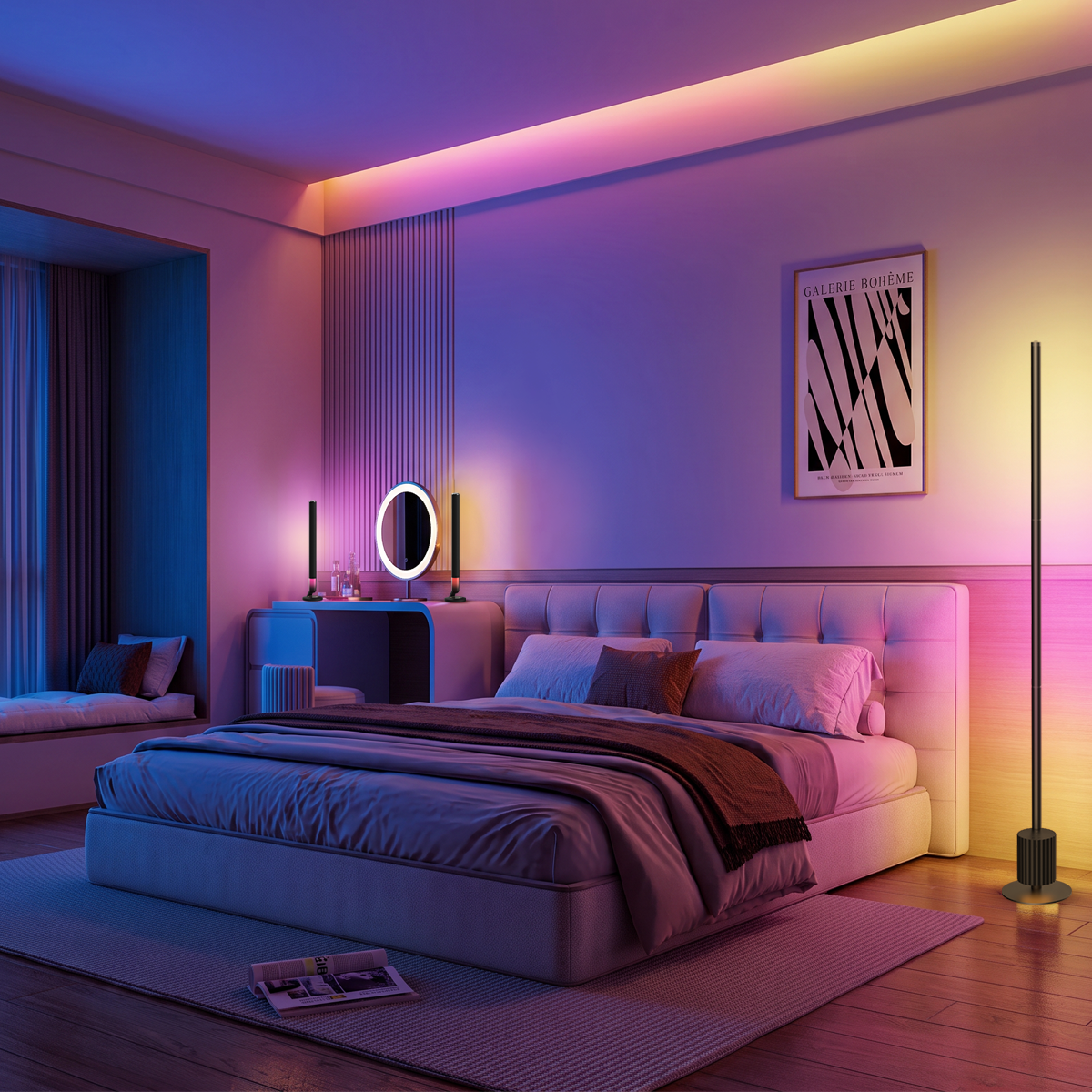
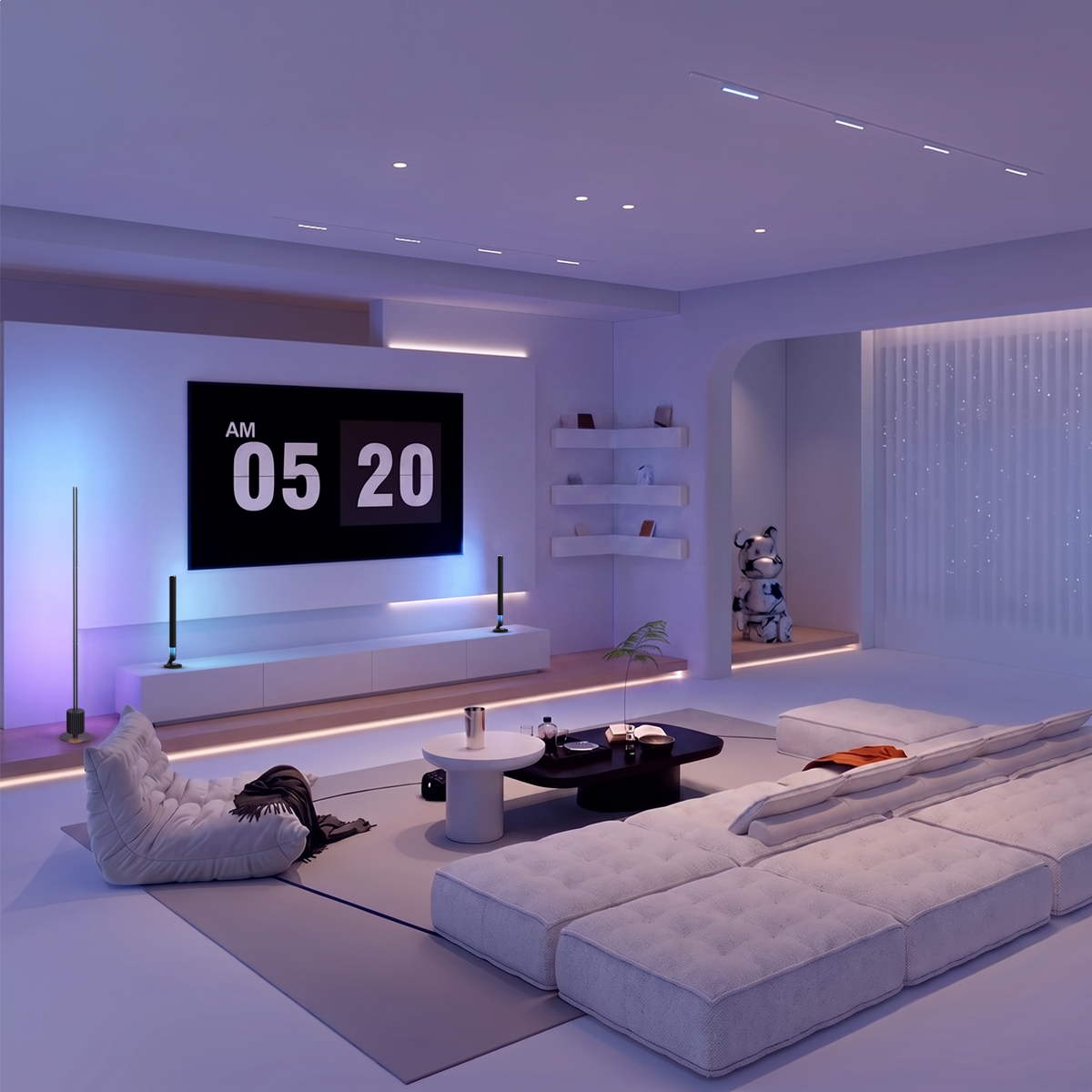
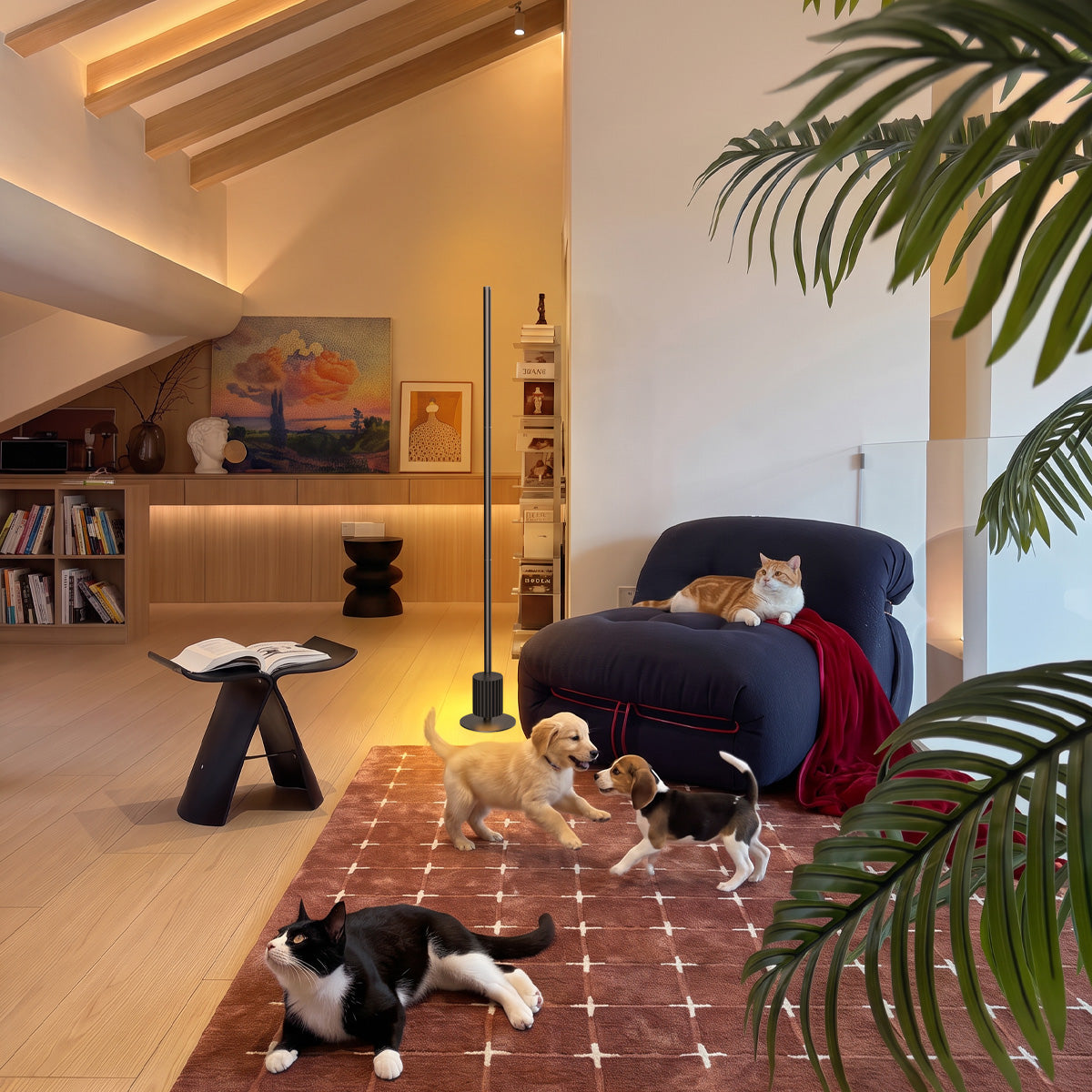
In the modern urban environment, we spend nearly 90% of our lives indoors under artificial illumination. While architectural design has historically focused on visual aesthetics—such as clean lines, premium materials, and minimalist layout structures—modern neuroscience has revealed a deeper, biological dimension to the spaces we inhabit.
Every human being possesses an internal 24-hour biological clock known as the circadian rhythm. Controlled by a master pacemaker in the brain called the suprachiasmatic nucleus (SCN), this rhythm regulates hormone production, core body temperature, cognitive alertness, and sleep-wake cycles.
The SCN relies on environmental light cues—specifically the shifting intensity and color temperature of natural sunlight—to synchronize your body with the time of day. However, standard static indoor lighting disrupts this ancient evolutionary design. By flooding our homes with the wrong light at the wrong time, we inadvertently trigger daytime sluggishness and nighttime insomnia. The solution is the transition from static illumination to a professional, bio-adaptive lighting sanctuary.
The Biological Spectrum: Cortisol vs. Melatonin
To understand bio-adaptive lighting, we must look at how different light wavelengths interact with a specialized group of receptors in our eyes called Intrinsically Photosensitive Retinal Ganglion Cells (ipRGCs). These cells do not contribute to conscious vision; instead, they act as direct conduits to our biological clock.
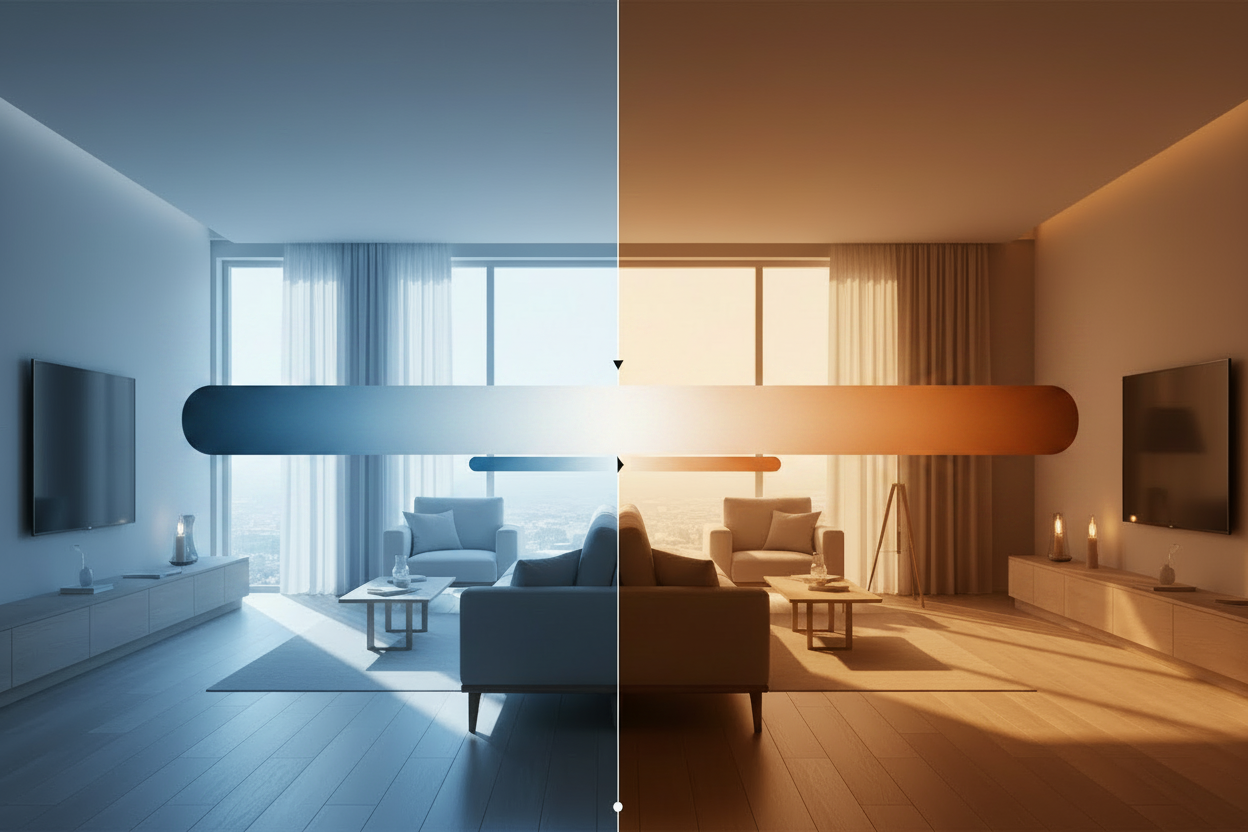
Blue-Enriched Crisp Light (4000K - 6500K): When ipRGCs detect high concentrations of blue wavelengths (characteristic of midday sun), they signal the brain to suppress melatonin (the sleep hormone) and stimulate the production of cortisol (the stress and alertness hormone). This maximizes cognitive capacity, memory retention, and physical energy.
Amber-Enriched Warm Light (1800K - 2700K): As the sun sets, the blue spectrum naturally dissipates, leaving low-intensity warm wavelengths. This absence of blue light signals the body that darkness is approaching, triggering the gradual release of melatonin, lowering your heart rate, and preparing your central nervous system for deep, restorative sleep.
When a remote workstation or living space is unoptimized, professionals often use a single color temperature all day long. This flat lighting profile dampens your morning energy peaks and sabotages your evening wind-down cycles.
The 24-Hour Circadian Lighting Blueprint
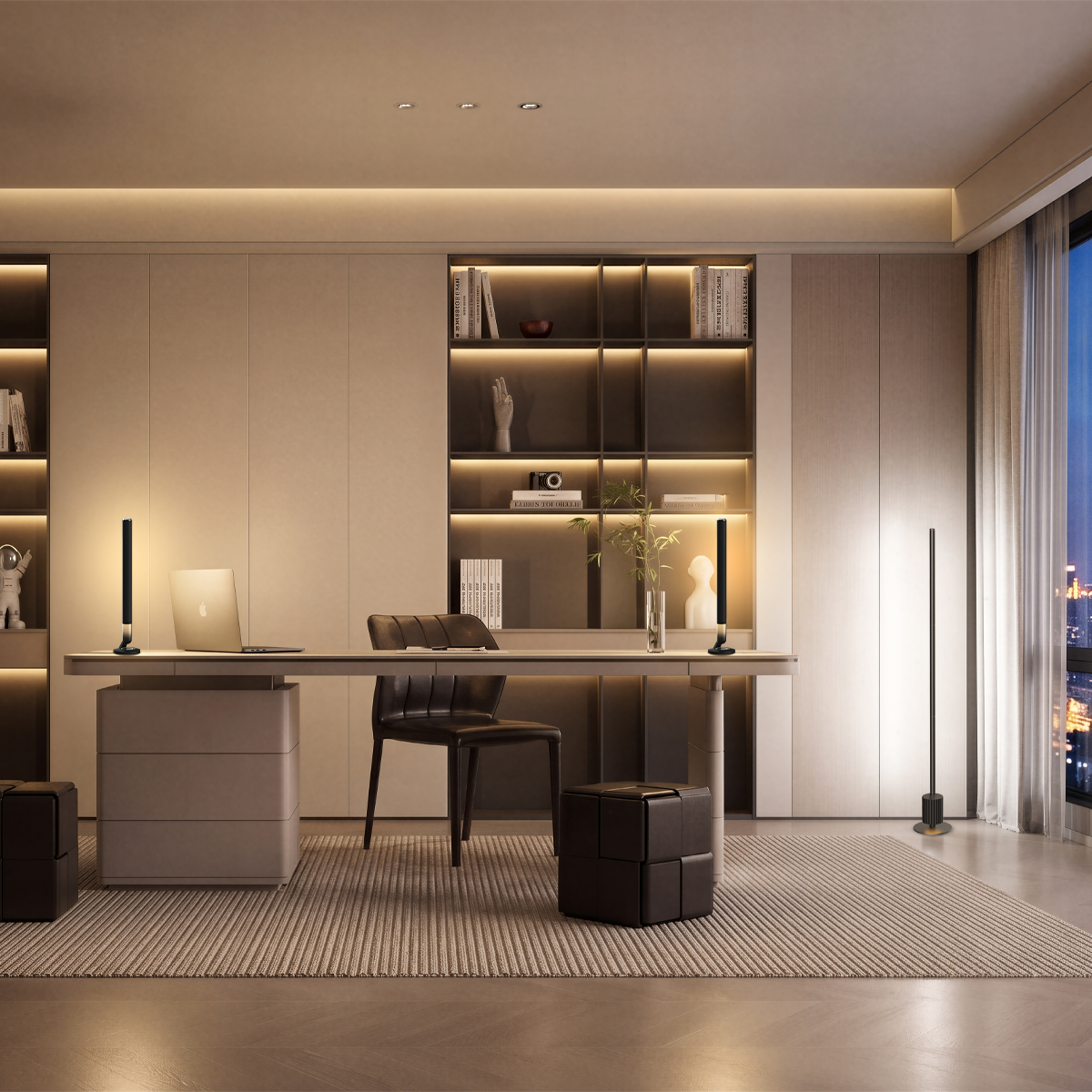
Designing a bio-adaptive sanctuary does not require complex industrial wiring. By pairing a high-precision task light with an indirect ambient volumetric light, you can engineer a dynamic, health-supportive lighting environment.
The blueprint below illustrates how to configure your workspace and relaxation zones throughout a standard professional cycle:
|
Time Matrix |
Intended Biological State |
Product Configuration Strategy |
Spectral Parameters (CCT & Lux) |
|
Morning Activation (08:00 - 12:00) |
Peak alertness, high cognitive endurance, metabolic acceleration. |
Desk Lamp Pro 9080 activated on high-focus mode + Floor Lamp Pro 9180 on soft background fill. |
5000K - 6000K (Cool Daylight) / 90% Brightness. Simulates clear sky to completely suppress lingering morning melatonin. |
|
Midday Sustained Focus (13:00 - 17:00) |
Balanced productivity, prevention of post-lunch cognitive slumps. |
Desk Lamp Pro 9080 running asymmetric desk sweep over documents and keyboard. |
4000K (Neutral Crisp White) / 80% Brightness. Maintains professional focus without causing visual over-stimulation. |
|
Evening Transition (18:00 - 21:00) |
Cortisol reduction, neurological calming, wind-down phase. |
Turn off the desk lamp. Set Floor Lamp Pro 9180 to face the wall, bouncing light into the room indirectly. |
2700K - 3000K (Warm Sunset Glow) / 40% Brightness. Mimics low-angle twilight, alerting the SCN to begin melatonin synthesis. |
|
Night Rest Sanctuary (21:00 - 23:00) |
Total biological relaxation, sleep readiness, zero eye strain. |
Floor Lamp Pro 9180 dimmed to its lowest nighttime baseline setting. |
1800K - 2200K (Candlelight Warmth) / 10% Brightness. Complete removal of bioactive blue wavelengths for perfect sleep prep. |
Spatial Zoning Without Walls
In modern residential architecture and remote work environments, a single room often has to serve multiple functions. It is your office by day, your dining space by evening, and your relaxation lounge by night. Using physical dividers or heavy furniture to separate these zones can choke spatial flow and block natural airflow.
Bio-adaptive lighting allows you to practice visual architecture—zoning spaces purely through the behavior of light:
The Focus Zone: Created by the sharp, structured boundary of the Desk Lamp Pro 9080. When this light is on, its high-CRI, glare-free beam creates a psychological "container" that tells your brain it is time to work.
The Sanctuary Zone: Created by the wide, gentle, indirect wash of the Floor Lamp Pro 9180. By projecting light up against the ceiling or showering a plain wall in warm, low-lux tones, it visually expands the room's boundaries, lowering blood pressure and signaling environmental safety to your nervous system.

Future-Proofing Your Home Ecosystem
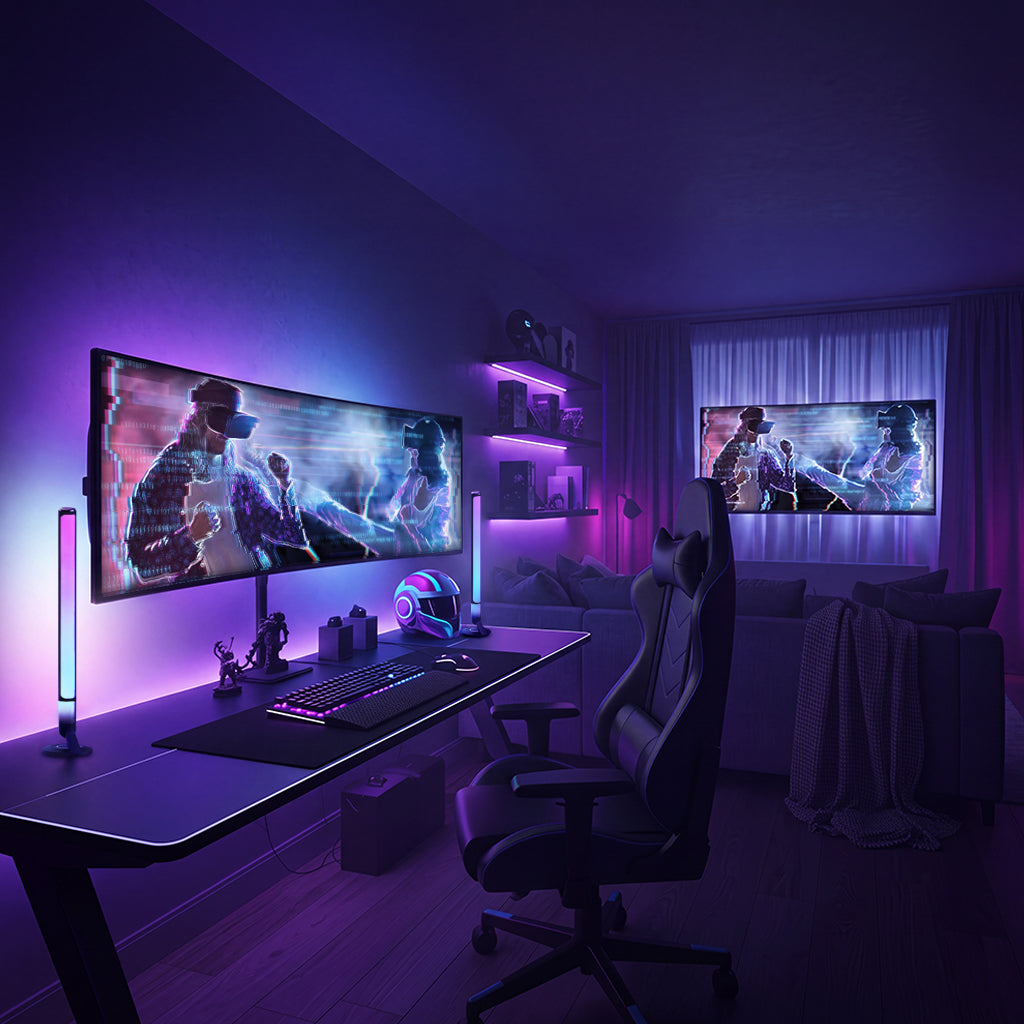
When building a healthy interior ecosystem, it is easy to get distracted by standard entertainment features like multi-colored RGB light patterns or interactive wall tiles offered by gaming brands. While these systems provide temporary novelty, they do not offer the rigorous spectral depth required for true biological support.
The Nurmina Pro Series is explicitly engineered from the chip level upward to handle bio-adaptive demands. Featuring stable, flicker-free dimming arrays and architectural-grade white phosphors, both the Desk Lamp Pro 9080 and Floor Lamp Pro 9180 deliver the precise spectral integrity needed to support your eyes, your mind, and your sleep cycle. By treating light as a biological nutrient rather than a cosmetic decoration, you can transform your home from a basic living space into a high-performance wellness sanctuary.
To discover the structural and physical differences between layout styles, read our installation manual: The Ultimate Ergonomic Lighting Guide for Remote Professionals: Desk Lamp vs. Floor Lamp.
To explore the advanced optical metrics behind high-color fidelity and eye protection, dive into our technical report: Decoding Light Quality: Why CRI 90+ and Spectral Integrity Matter for Your Workspace.
FAQ: Circadian Rhythms & Bio-Adaptive Lighting
Q: What exactly is the difference between "bio-adaptive lighting" and standard smart dimming apps?
A: Standard smart lighting apps simply lower the brightness of a bulb or shift it to a pre-set color. True bio-adaptive lighting systems, such as the Nurmina Pro Series, utilize specialized internal LED configurations that smoothly alter the underlying spectral power distribution. This means that as you dim the light down to a warmer kelvin rating, it actively removes the biological blue-light spike that prevents melatonin production, whereas lower-quality smart bulbs often retain a hidden blue spike even on warm settings.
Q: Will indirect wall-washing from a floor lamp make my room look too dark during the day?
A: No, because the Nurmina Floor Lamp Pro 9180 features an advanced high-lumen output array. When set to morning or midday modes, it delivers sufficient raw lumen output to transform your ceiling into a massive, bright daylight sky simulator. This ambient power, combined with the localized precision of the Desk Lamp Pro 9080, creates an exceptionally bright, shadow-free room that keeps you highly alert.
Q: How long does it take to feel the wellness benefits of switching to a circadian lighting setup?
A: Most users report immediate relief from late-afternoon eye fatigue and tension headaches on day one, thanks to the elimination of harsh screen contrast. Within 3 to 5 nights of consistently switching to the warm, indirect, blue-suppressed spectrum of the Floor Lamp Pro 9180 after 19:00, you will notice a marked improvement in your sleep latency (how fast you fall asleep) and morning waking energy.